
- Home
- about us
- CDC CenterservicesARTICLESour teamGallery
- Free Consultation
- Book Now
- Scientific activitiesMaster ThesisPhD Thesisscientific researchesscientific articlesCertificates
- galleryConference photosDiscussing Theises photoscourses photo
- newscoursesconferences CalendarProf. Moataz AlKhawas TalksPatient’s ReviewsProf. Moataz AlKhawas Activities
- questions
- contact us
- ع

Dental accidents treatment
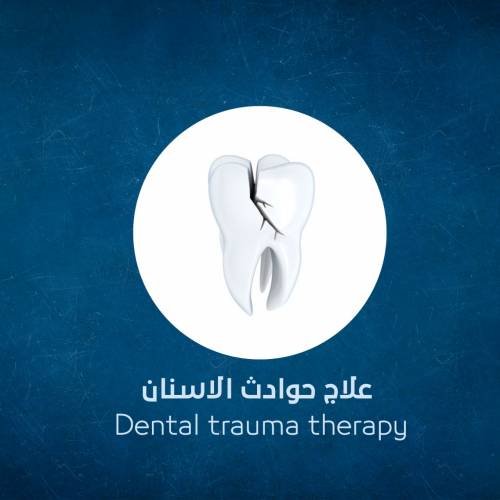
Many accidents happen to children and adults, whether at home, on the stairs, or in the street, as a result of falling or collision, these accidents may require immediate medical intervention to avoid any complications.
Although most teeth injuries are common among teenagers and children, they can affect all people. Usually these injuries are caused by sports accidents, car accidents, or violent falls.
The type of injury and its severity will determine the treatment needed regardless of the cause of the injury. Dental injuries may damage the soft inner tissue of the tooth that is known as the dental nerve, when a dental nerve becomes inflamed, root canal treatment may be used, furthermore adequate primary care reduces the risk of tooth loss.
What are the most common types of dental injuries?
Broken teeth are the most common dental injuries, where loose or fallen teeth are examples of less common but more severe injuries. Treatment depends on the type, location, and severity of each injury.
Any injury to the teeth, even if it seems minor, requires a dentist examination or a specialist in nerve treatment. Sometimes the adjacent teeth may be injured but are not apparent until weeks, months, or even years.
Chipped and Cracked teeth:
Some chipped crowns can be repaired by reattaching the broken piece or replacing it with a filling that matches the color of the tooth. If the broken piece is relatively large, an artificial crown or cap is used to restore the tooth.
Root canal treatment may be necessary if the nerve becomes exposed or damaged after crown fracturing. These injuries require special attention, and it is important to seek professional help as quickly as possible. Do not use topical pain analgesics, ointments, or aspirin to get rid of the pain.
Injuries to the posterior teeth include broken bumps and fractured teeth, as well as split teeth. If the fractures extend to the root, the root canal should be treated, and the crown of the tooth may be completely covered to restore the functions of the tooth, on the other hand split teeth may require extraction.
Displaced teeth:
During an injury, the tooth may be pushed aside, in, or out of its socket. The doctor's responsibility is to fix the tooth.
Root canal treatment:
It is necessary for permanent teeth that have been released, it is also preferable to start the treatment several days after the injury. Medicine may be placed inside the tooth as part of a root canal treatment, then a permanent root canal filling is placed later.
Children under the age of fifteen do not need root canal treatment as their teeth are still in the development stage. For these patients, the endodontist carefully monitors the healing process and intervenes directly if any changes are noticed accordingly, several follow-up appointments can be scheduled.
There is a replacement dental treatment for incomplete teeth called "nerve regrowth." This treatment uses stem cells from the fresh pulp to heal and repair the root. Ask your endodontist whether or not your child is qualified for the procedure.
Avulsed teeth (Teeth outside the socket):
- If the tooth falls out of your mouth, time will be an important factor.
- The tooth should be handled gently and avoid touching the root surface.
- If the tooth is dirty, wash it quickly with water.
- Do not use soap or any cleaning liquid, and do not rub the tooth at all.
- The tooth should be returned to its place as soon as possible.
- The less time a tooth spends out of place, the greater the chance to save it.
- Call your dentist immediately!
Fractured Teeth
A tooth injury may cause a horizontal crack in the root, after diagnosis the tooth can be repositioned if it is misplaced, and it is likely to be attached to an orthodontic position for several weeks. Teeth with horizontal cracking usually have a good development if treated well.
Will the tooth need special care or additional treatment?
There are several factors that affect the healing of a tooth in the long term, that include:
- The nature of the injury.
- The time length between infection and treatment.
- How to take care of the tooth after an injury.
- Body response.
Treatment within a specific schedule is very important for loose or fallen teeth to prevent root melting. Melting occurs when the body - through its defense mechanisms - begins to reject the tooth as a kind of response to a dental injury.
After the injury, you must get back to the dentist to examine the tooth and treat it at intervals up to five years to ensure that there is no root melting and ensure the healing of the tissues surrounding the tooth.
For more information, we are pleased to receive your calls on the following numbers:
Mobile: 01000218004
Whatsapp: 01095544174
Phone: 0222631676
Although most teeth injuries are common among teenagers and children, they can affect all people. Usually these injuries are caused by sports accidents, car accidents, or violent falls.
The type of injury and its severity will determine the treatment needed regardless of the cause of the injury. Dental injuries may damage the soft inner tissue of the tooth that is known as the dental nerve, when a dental nerve becomes inflamed, root canal treatment may be used, furthermore adequate primary care reduces the risk of tooth loss.
What are the most common types of dental injuries?
Broken teeth are the most common dental injuries, where loose or fallen teeth are examples of less common but more severe injuries. Treatment depends on the type, location, and severity of each injury.
Any injury to the teeth, even if it seems minor, requires a dentist examination or a specialist in nerve treatment. Sometimes the adjacent teeth may be injured but are not apparent until weeks, months, or even years.
Chipped and Cracked teeth:
Some chipped crowns can be repaired by reattaching the broken piece or replacing it with a filling that matches the color of the tooth. If the broken piece is relatively large, an artificial crown or cap is used to restore the tooth.
Root canal treatment may be necessary if the nerve becomes exposed or damaged after crown fracturing. These injuries require special attention, and it is important to seek professional help as quickly as possible. Do not use topical pain analgesics, ointments, or aspirin to get rid of the pain.
Injuries to the posterior teeth include broken bumps and fractured teeth, as well as split teeth. If the fractures extend to the root, the root canal should be treated, and the crown of the tooth may be completely covered to restore the functions of the tooth, on the other hand split teeth may require extraction.
Displaced teeth:
During an injury, the tooth may be pushed aside, in, or out of its socket. The doctor's responsibility is to fix the tooth.
Root canal treatment:
It is necessary for permanent teeth that have been released, it is also preferable to start the treatment several days after the injury. Medicine may be placed inside the tooth as part of a root canal treatment, then a permanent root canal filling is placed later.
Children under the age of fifteen do not need root canal treatment as their teeth are still in the development stage. For these patients, the endodontist carefully monitors the healing process and intervenes directly if any changes are noticed accordingly, several follow-up appointments can be scheduled.
There is a replacement dental treatment for incomplete teeth called "nerve regrowth." This treatment uses stem cells from the fresh pulp to heal and repair the root. Ask your endodontist whether or not your child is qualified for the procedure.
Avulsed teeth (Teeth outside the socket):
- If the tooth falls out of your mouth, time will be an important factor.
- The tooth should be handled gently and avoid touching the root surface.
- If the tooth is dirty, wash it quickly with water.
- Do not use soap or any cleaning liquid, and do not rub the tooth at all.
- The tooth should be returned to its place as soon as possible.
- The less time a tooth spends out of place, the greater the chance to save it.
- Call your dentist immediately!
Fractured Teeth
A tooth injury may cause a horizontal crack in the root, after diagnosis the tooth can be repositioned if it is misplaced, and it is likely to be attached to an orthodontic position for several weeks. Teeth with horizontal cracking usually have a good development if treated well.
Will the tooth need special care or additional treatment?
There are several factors that affect the healing of a tooth in the long term, that include:
- The nature of the injury.
- The time length between infection and treatment.
- How to take care of the tooth after an injury.
- Body response.
Treatment within a specific schedule is very important for loose or fallen teeth to prevent root melting. Melting occurs when the body - through its defense mechanisms - begins to reject the tooth as a kind of response to a dental injury.
After the injury, you must get back to the dentist to examine the tooth and treat it at intervals up to five years to ensure that there is no root melting and ensure the healing of the tissues surrounding the tooth.
For more information, we are pleased to receive your calls on the following numbers:
Mobile: 01000218004
Whatsapp: 01095544174
Phone: 0222631676
Copyright © 2020 Dr. Moataz Alkhawas All rights reserved